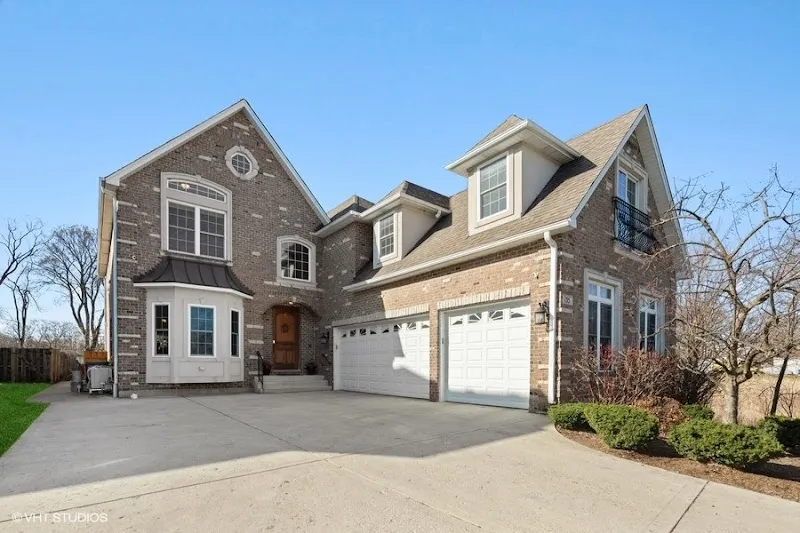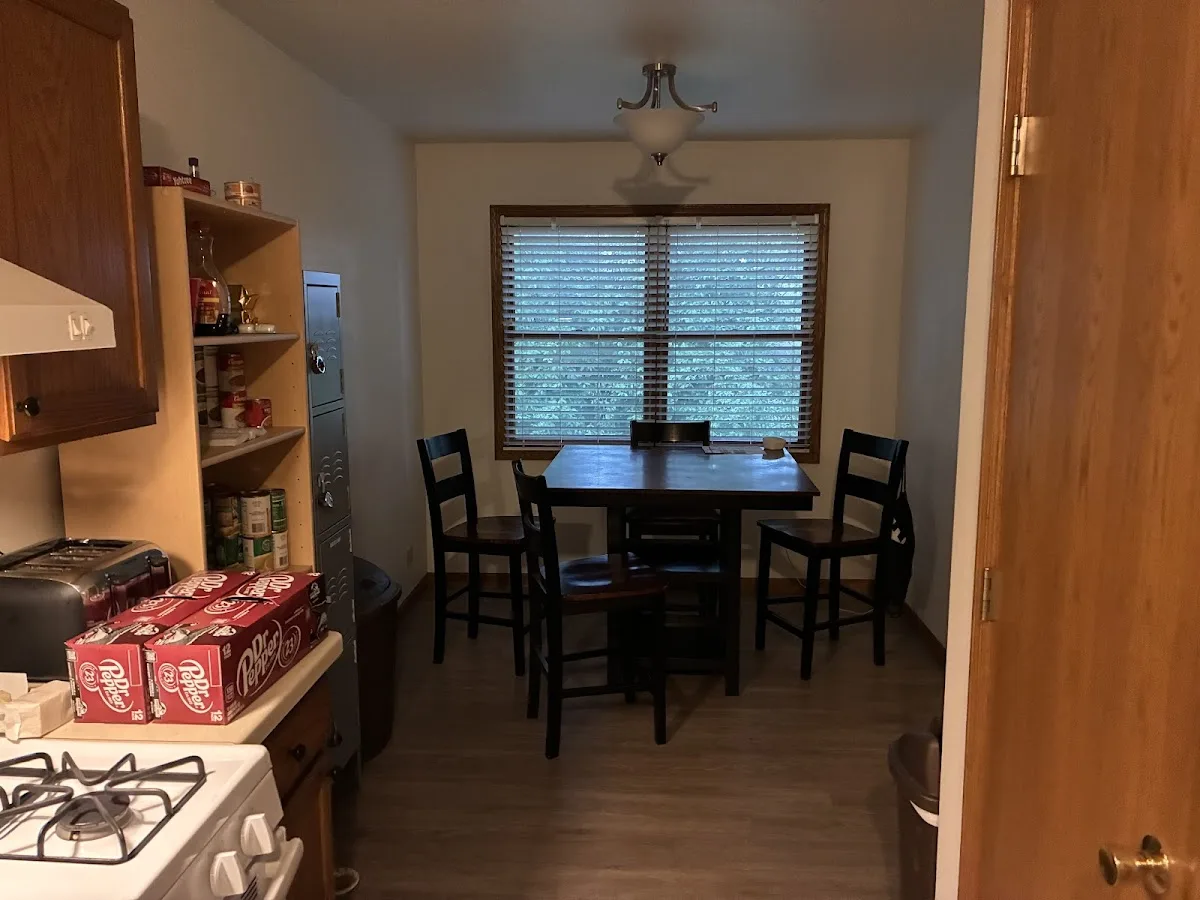
Choosing the right sober living home is a crucial step in your recovery journey. It can provide the support and structure you need while transitioning back into everyday life. This guide aims to help you navigate the process of selecting a sober living home in Illinois, ensuring that you find a safe and nurturing environment.
What Makes a Quality Sober Living Home?
A quality sober living home offers more than just a place to stay. Look for the following attributes:
- Supportive Environment: A nurturing atmosphere that promotes sobriety and personal growth.
- Structured Routine: A daily schedule that encourages responsibility and accountability.
- Qualified Staff: Trained professionals who can provide guidance and support.
- Peer Support: Opportunities for residents to connect and support each other in their recovery.
- Community Resources: Access to local recovery meetings, counseling services, and job placement programs.
Red Flags to Avoid
When searching for a sober living home, be mindful of potential red flags that could indicate a less-than-ideal environment:
- Lack of Structure: Homes without a clear schedule or set rules may not provide the support you need.
- Unqualified Staff: Avoid homes with staff members who lack training or experience in addiction recovery.
- No Aftercare Programs: Homes that do not provide resources for ongoing support may hinder your recovery.
- High Turnover Rates: Frequent changes in residents could indicate instability within the home.
- Poor Living Conditions: Unsanitary or poorly maintained facilities can negatively affect your recovery.
Questions to Ask During Tours
When visiting potential sober living homes, it’s essential to ask the right questions to gauge whether it’s a good fit:
- What is the house’s policy on substance use? Ensure that there is a strict no-tolerance policy in place.
- What are the house rules? Understand the expectations for residents regarding chores, curfews, and attendance at meetings.
- What kind of support services are offered? Inquire about counseling, group therapy, and other resources available.
- How are conflicts handled? It’s important to know how issues between residents are resolved.
- What is the average length of stay? This can give you insight into the home’s approach to recovery.
House Rules and Expectations
Quality sober living homes often have established house rules to create a safe and supportive environment. Common expectations include:
- Maintaining sobriety and abstaining from drug or alcohol use.
- Participating in regular house meetings and recovery programs.
- Contributing to household chores and responsibilities.
- Respecting the privacy and space of other residents.
- Adhering to curfews and check-in times.
Cost and Financial Assistance
The cost of sober living homes can vary significantly. Here are some factors to consider:
- Monthly Fees: Costs may range from $500 to $2,500 per month, depending on location and amenities.
- Paying for Stay: Some homes require upfront payment, while others may offer payment plans.
- Financial Assistance: Look for homes that accept insurance or offer sliding scale fees based on income.
- Grants and Scholarships: Research local organizations that may provide financial support for sober living.
The Difference Between Level 1 and Level 2 Sober Homes
In Illinois, sober living homes are often classified into two levels:
- Level 1 Homes: These are typically less structured and may focus on peer support. They are suitable for individuals who have completed a treatment program and are looking for a supportive environment.
- Level 2 Homes: More structured with strict rules and regulations, Level 2 homes often require attendance at recovery meetings and may have additional therapeutic services. They are ideal for individuals needing more guidance in their recovery journey.
How to Find Certified Sober Homes in Illinois
To ensure you choose a reputable sober living home, consider the following resources:
- State Resources: Visit the Illinois Department of Human Services website for a list of certified sober living homes.
- National Organizations: Organizations like the National Alliance for Recovery Residences (NARR) provide directories of accredited homes.
- Local Support Groups: Reach out to local recovery groups for recommendations and insights on sober living options.
Success Tips for Sober Living
Once you’ve chosen a sober living home, here are some tips to help you succeed:
- Engage Actively: Participate in house meetings and support groups to foster relationships and gain insights.
- Set Personal Goals: Focus on your recovery goals and work towards achieving them.
- Utilize Resources: Take advantage of available resources, such as counseling and job training programs.
- Build a Support Network: Connect with other residents and create a supportive community.
- Stay Committed: Remember that recovery is a journey and requires dedication and perseverance.
Choosing the right sober living home in Illinois is a significant step towards a healthier, sober life. By considering the factors outlined in this guide, you can make a well-informed decision that best supports your recovery journey.