
Women face unique challenges in addiction recovery that necessitate specialized treatment resources. In Illinois, a variety of programs have been designed to support women on their journey to sobriety. Understanding the importance of gender-specific treatment, trauma-informed care, and addressing the multifaceted issues women encounter can empower individuals to seek help and sustain their recovery.
Why Gender-Specific Treatment Matters
Gender-specific treatment recognizes that women may experience addiction differently than men. Factors such as societal expectations, trauma, and specific physiological differences can significantly influence the recovery process. Tailoring treatment programs to meet these unique needs can enhance engagement, foster a sense of community, and improve outcomes for women in recovery.
Trauma-Informed Care
Women are more likely to have experienced trauma, which can significantly impact their addiction and recovery journey. Trauma-informed care is an approach that recognizes the prevalence of trauma and integrates this understanding into treatment. In Illinois, many women's addiction treatment programs use this model, focusing on creating a safe and supportive environment. Key principles of trauma-informed care include:
- Safety: Ensuring that women feel safe physically and emotionally throughout their treatment.
- Trustworthiness: Building trust between staff and clients, promoting transparency in the treatment process.
- Empowerment: Encouraging women to take control of their recovery journey and make informed decisions.
Programs for Pregnant Women and Mothers
An essential aspect of women-specific treatment is addressing the needs of pregnant women and mothers. Illinois offers specialized programs that provide comprehensive care, including prenatal services and parenting support. These programs focus not only on addiction recovery but also on the health and well-being of both the mother and the child. Key features often include:
- Medical care: Access to prenatal vitamins, check-ups, and substance use treatment.
- Parenting classes: Resources to help mothers develop skills for nurturing their children.
- Childcare: On-site childcare options that allow mothers to engage in treatment while caring for their children.
Addressing Co-occurring Issues
Many women in recovery face co-occurring issues, such as domestic violence, eating disorders, and PTSD. Effective treatment must address these interconnected challenges to foster holistic healing. In Illinois, specialized programs offer integrated care that combines addiction treatment with support for these co-occurring conditions. The focus on comprehensive healing is crucial as it allows women to:
- Process trauma: Engage in therapy that addresses past experiences, helping them to heal and move forward.
- Build healthy coping mechanisms: Learn skills to manage emotions and stress without resorting to unhealthy behaviors.
- Access resources: Connect with local services for domestic violence support, mental health therapy, and nutrition counseling.
Children in Recovery
Recovery is not just about the individual; it encompasses families and children. Women in recovery often face the challenge of maintaining a relationship with their children or rebuilding those connections. Illinois provides resources and support for women to navigate this journey, including:
- Family therapy: Programs that include family members in the treatment process, promoting healing and understanding.
- Parent-child activities: Opportunities to engage in positive interactions that strengthen bonds.
- Support networks: Connecting women with other mothers in recovery to share experiences and advice.
Women’s Sober Living Homes
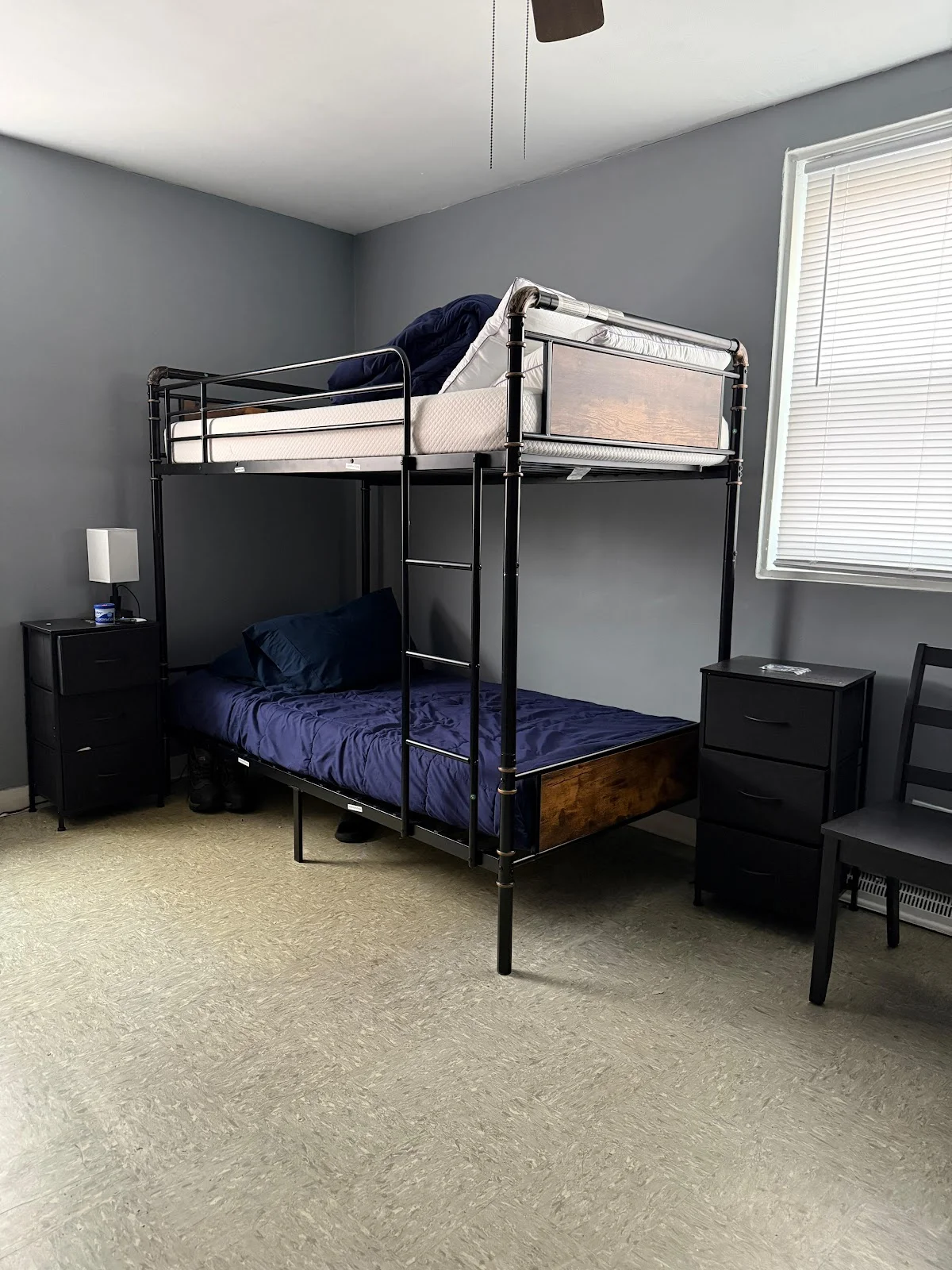
Sober living homes specifically for women offer a safe and supportive environment for those in recovery. These homes provide a transitional space where women can practice their recovery skills while living with others who share similar experiences. Key benefits of women’s sober living homes include:
- Community support: Building lasting friendships and a support network with fellow residents.
- Structured environment: A routine and rules that help maintain sobriety and accountability.
- Life skills training: Programs that focus on budgeting, job readiness, and personal development.
Support Groups
Support groups play a vital role in the recovery process, providing a platform for women to share their experiences and receive encouragement. Illinois hosts various support groups designed for women, including:
- 12-step programs: Groups like Alcoholics Anonymous (AA) and Narcotics Anonymous (NA) have women-only meetings.
- Women’s empowerment groups: Programs that focus on personal growth, self-esteem, and building resilience.
- Online forums: Virtual support groups that allow women to connect and support each other from anywhere.
Local Illinois Resources
Women seeking addiction treatment in Illinois can access a wealth of resources tailored to their needs. Some notable organizations include:
- Illinois Department of Human Services (IDHS): Provides information on state-funded treatment programs.
- Rosecrance: Offers a range of services, including women’s specific treatment and sober living options.
- Gateway Foundation: Provides comprehensive treatment services, including those designed for women and mothers.
- Women’s Treatment Center: A dedicated facility offering gender-specific programs and trauma-informed care.
In conclusion, the journey to recovery for women is often complex and requires a supportive, understanding, and specialized approach. Illinois is home to numerous resources designed to empower women, address their unique challenges, and foster a compassionate community where healing can flourish.
Sober Network is a directory, not an intake form. Explore local facilities and contact providers directly.