Comprendre le double diagnostic : troubles concomitants de santé mentale et de toxicomanie
Dual diagnosis, also known as co-occurring disorders, refers to the simultaneous presence of a mental health disorder and a substance use disorder. This complex interplay can significantly impact an individual's ability to recover and thrive. In Illinois, recognizing and addressing dual diagnosis is crucial for effective treatment and improved outcomes.
Affections concomitantes fréquentes
Several mental health conditions commonly co-occur with substance use disorders. Understanding these can help individuals recognize the signs and seek appropriate help. Some prevalent co-occurring disorders include:
- Dépression: Individuals may turn to substances as a way to numb feelings of sadness or hopelessness.
- Troubles anxieux : Many may use drugs or alcohol to cope with overwhelming anxiety, which can lead to a cycle of dependency.
- Trouble bipolaire: Some individuals may self-medicate during manic or depressive episodes, complicating their mental health condition.
- Trouble de stress post-traumatique (TSPT) : People with PTSD may use substances to escape traumatic memories or to manage anxiety and hyperarousal.
- Schizophrénie: Substance use can exacerbate symptoms or complicate treatment for those managing this serious mental health condition.
Pourquoi le traitement intégré est important
Integrated treatment, which addresses both mental health and substance use disorders simultaneously, is essential for effective recovery. Here are a few reasons why this approach matters:
- Soins holistiques : Integrated treatment considers the whole person rather than treating each disorder in isolation, leading to better overall outcomes.
- Réduction des taux de rechute : Addressing both issues concurrently can help reduce the risk of relapse by providing comprehensive support and coping strategies.
- Amélioration de l'engagement : Patients often feel more understood and supported when both conditions are treated together, enhancing their willingness to participate in treatment.
- Better Coordination of Care: A team of professionals can collaborate to create a personalized treatment plan that addresses all aspects of a patient's health.
Que rechercher dans un programme de double diagnostic
Finding the right treatment program for dual diagnosis can be overwhelming. Here are key features to consider when evaluating a program in Illinois:
- Personnel qualifié : Look for programs with experienced mental health professionals and addiction specialists who have training in dual diagnosis.
- Pratiques fondées sur des données probantes : Ensure the program utilizes proven treatment methods, such as cognitive-behavioral therapy (CBT) and motivational interviewing.
- Plans de traitement personnalisés : A good program should offer individualized treatment plans that address both the mental health and substance use aspects of a person's condition.
- Services complets : Consider programs that offer a range of services, including therapy, medication management, and aftercare support, such as sober living options.
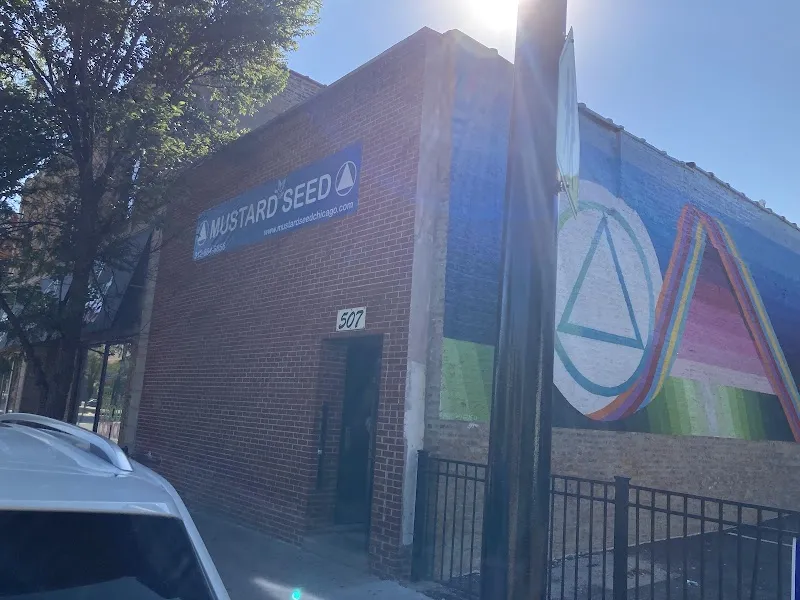
- Integrated Support Groups: Programs that incorporate support groups, like Alcoholics Anonymous, can provide additional layers of community support and understanding.
In Illinois, there are numerous resources available for individuals seeking help for dual diagnosis. Engaging with a treatment program that meets these criteria can be a crucial step toward recovery. It's important to remember that recovery is a journey, and seeking help is a sign of strength.
Getting Started on Your Recovery Journey
If you or a loved one is facing the challenges of dual diagnosis, there is hope and help available. You can start by searching for local options de traitement that specialize in dual diagnosis. Many facilities offer comprehensive care that can guide you through the recovery process. Additionally, consider connecting with local thérapeutes who are trained in treating co-occurring disorders for personalized support.
For individuals looking for community support, attending support groups can be a vital part of the recovery journey. These groups provide a safe space to share experiences and gain encouragement from others who understand the struggles of dual diagnosis.
Ultimately, recovery is possible, and reaching out for help is the first step in reclaiming your life. Remember that you're not alone in this journey, and there are many resources available to support you.
Cet article est fourni à titre informatif uniquement et ne constitue pas un avis médical.
More Recovery Resources in Illinois
Sober Network is a directory, not an intake form. Explore local facilities and contact providers directly.