
Embarking on the journey of addiction recovery is a courageous step towards a healthier and more fulfilling life. One of the first phases of this journey is medical detox, especially for those struggling with substances like alcohol, opioids, or benzodiazepines. Understanding what to expect during this crucial phase can help alleviate fears and prepare individuals for the process ahead. This guide will explore the essentials of medical detox in Illinois, including its differences from home detox, withdrawal timelines, medications used, daily routines, preparation tips, and post-detox considerations.
Sự khác biệt giữa cai nghiện tại bệnh viện và cai nghiện tại nhà
When deciding on a detox approach, it's important to recognize the differences between medical detox and home detox:
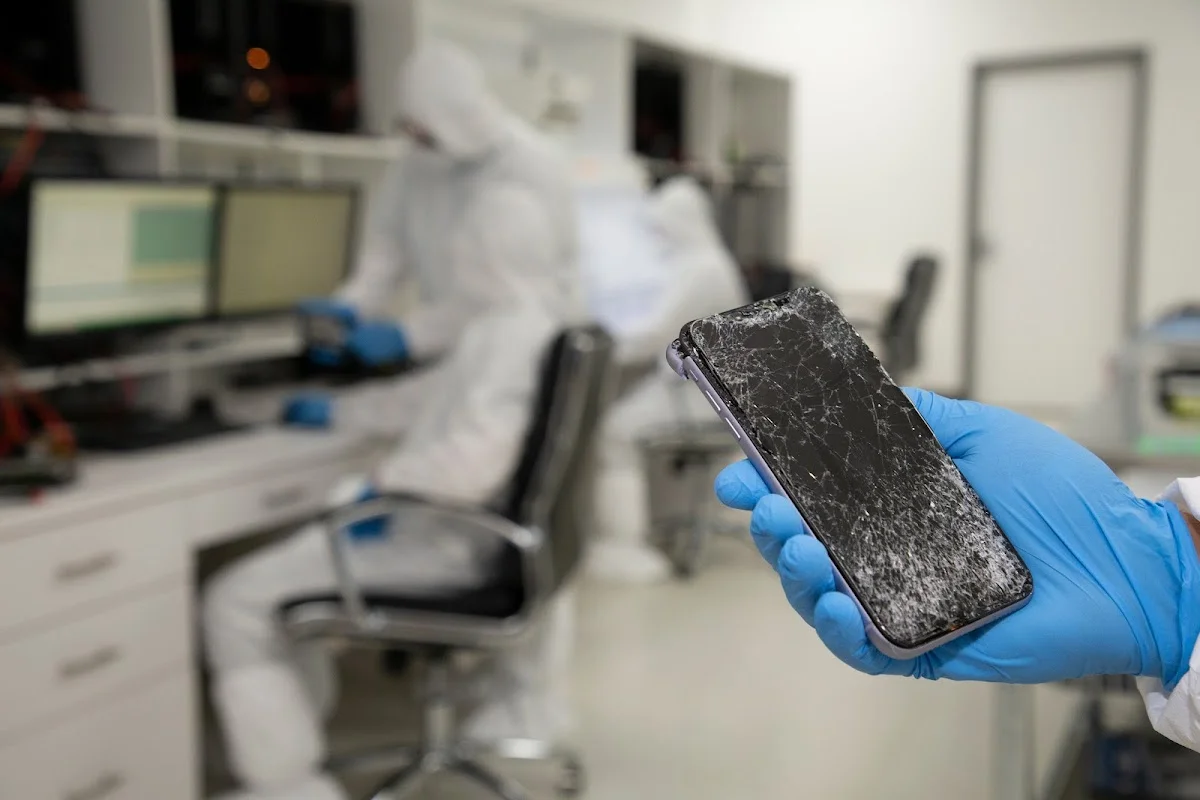
- Giải độc y tế: Conducted in a clinical setting by healthcare professionals, offering constant supervision and medical interventions to safely manage withdrawal symptoms.
- Giải độc tại nhà: Involves quitting substances without professional help, which can be risky due to the unpredictability of withdrawal symptoms and potential complications.
Medical detox is often recommended for individuals with a history of severe addiction or those experiencing significant withdrawal symptoms, ensuring safety and comfort throughout the process.
Lịch trình rút tiền
Understanding the withdrawal timeline for various substances can prepare individuals for what to expect during detox:
Rượu bia
- Symptoms may begin within 6 to 12 hours after the last drink.
- Peak intensity occurs between 24 to 72 hours.
- Symptoms may last from 5 to 7 days, with some experiencing post-acute withdrawal symptoms (PAWS) for weeks or months.
Thuốc phiện
- Withdrawal symptoms may start within 6 to 12 hours after the last dose.
- Peak symptoms typically occur around 1 to 3 days.
- Acute withdrawal can last from 5 to 10 days, with lingering psychological symptoms lasting longer.
Benzodiazepine
- Withdrawal symptoms can begin within a few days, depending on the specific medication.
- Peak symptoms may occur between 1 to 2 weeks.
- Acute withdrawal can last 1 to 4 weeks, with some individuals experiencing symptoms for months.
Các loại thuốc được sử dụng trong quá trình cai nghiện
During medical detox, various medications may be prescribed to help ease withdrawal symptoms and reduce cravings:
- Rượu bia: Medications like benzodiazepines (e.g., lorazepam) are commonly used to manage withdrawal symptoms.
- Thuốc phiện: Medications like methadone or buprenorphine may be utilized to reduce cravings and withdrawal symptoms.
- Benzodiazepine: Tapering down the dosage of benzodiazepines is often recommended to minimize withdrawal effects.
Một ngày điển hình trong quá trình cai nghiện
Một ngày điển hình tại cơ sở cai nghiện y tế có thể bao gồm:
- Morning health assessments by healthcare providers.
- Medication administration to manage withdrawal symptoms.
- Access to nutritious meals and hydration.
- Individual or group therapy sessions to provide emotional support.
- Engaging in wellness activities like yoga or meditation.
- Regular check-ins with medical staff to monitor progress.
Chuẩn bị cho bản thân hoặc người thân yêu
Preparation is key to ensuring a smoother detox experience. Here are some tips:
- Research and choose an accredited detox center in Illinois.
- Gather necessary documents, such as identification and insurance information.
- Discuss any medical history or concerns with the detox staff prior to admission.
- Encourage a mindset of openness and willingness to participate in the recovery process.
Khi nào cai nghiện là cần thiết về mặt y tế so với khi nào là tùy chọn
Understanding when detox is medically necessary can guide individuals in making informed decisions:
- Cần thiết về mặt y tế: Detox is essential for those with severe addiction, experiencing withdrawal symptoms, or having a history of complications.
- Không bắt buộc: Detox may be considered for individuals with mild substance use who can manage withdrawal symptoms in a safe and supportive environment.
Điều gì xảy ra sau khi cai nghiện?
Completing detox is just the beginning of recovery. After detox, individuals are encouraged to engage in:
- Inpatient or outpatient rehabilitation programs.
- Các nhóm hỗ trợ như Hội những người nghiện rượu ẩn danh (AA) hoặc Hội những người nghiện ma túy ẩn danh (NA).
- Therapies focusing on mental health and coping strategies.
Transitioning to a comprehensive treatment plan is crucial for sustained recovery and preventing relapse.
Finding Accredited Detox Centers in Illinois
To ensure safety and quality care, finding an accredited detox center is paramount. Here’s how:
- Search the Substance Abuse and Mental Health Services Administration (SAMHSA) website for a list of accredited facilities.
- Consult with healthcare providers for recommendations.
- Review online testimonials and contact centers to inquire about their services and approach to detox.
In conclusion, understanding the medical detox process can empower individuals and their loved ones to navigate this challenging yet transformative journey. By preparing adequately and seeking professional help, a successful recovery is within reach.
Thêm các nguồn hỗ trợ phục hồi tại Illinois
- Treatment Centers in Illinois: How to Choose the Right Program
- Hướng dẫn đầy đủ về cuộc sống tỉnh táo ở Illinois (2026)
- Does Insurance Cover Rehab in Illinois? Complete 2026 Guide
- Tìm kiếm các nhà ở dành cho người cai nghiện tại Illinois
- Tìm các trung tâm cai nghiện ở Illinois
- Nhận trợ giúp miễn phí ngay bây giờ
Sober Network is a directory, not an intake form. Explore local facilities and contact providers directly.