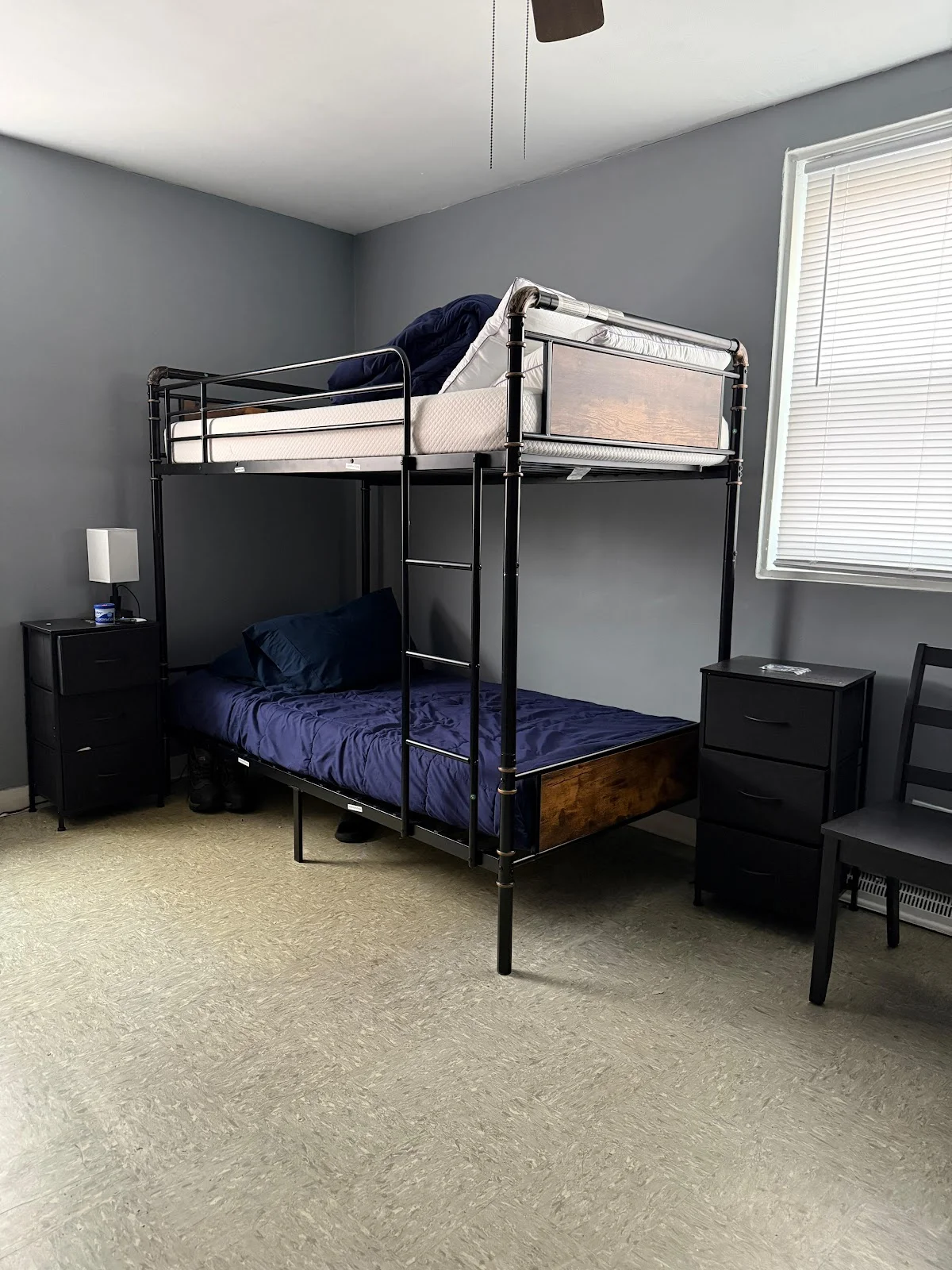
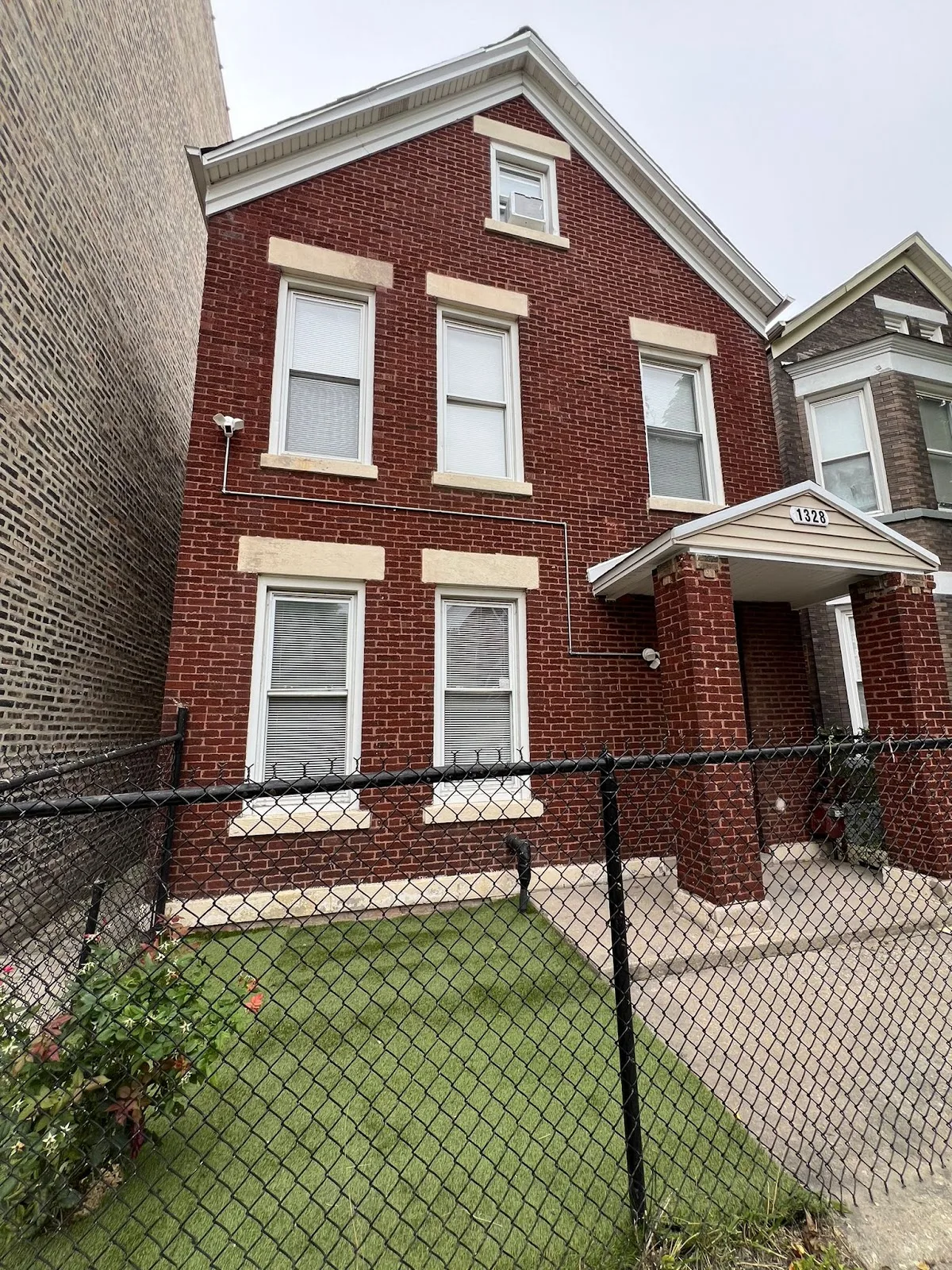
Navigating insurance coverage for addiction treatment can be overwhelming, especially in a state like Illinois where various options are available. Understanding your rights under the Mental Health Parity Act, knowing what major insurers offer, and recognizing the available state and federal programs can make the recovery journey smoother. This comprehensive guide will clarify what you need to know about insurance coverage for addiction treatment and rehab in Illinois, providing actionable steps to ensure you receive the care you need.
Loi sur la parité en matière de santé mentale
The Mental Health Parity Act is a critical piece of legislation that requires health insurance plans to provide equal coverage for mental health and substance use disorder treatment as they do for physical health services. This means that if your insurance covers a certain number of visits for physical health, it must also cover an equal number of visits for addiction treatment.
In Illinois, this law applies to most private health insurance plans, ensuring that individuals struggling with addiction can access necessary treatment without facing discriminatory limitations.
Major Insurers in Illinois
Several major insurers provide coverage for addiction treatment in Illinois. Here’s a quick overview of what each insurer typically offers:
- Aetna: Aetna offers comprehensive coverage for mental health and substance use disorders, including inpatient and outpatient treatment, detox, and medication-assisted treatment (MAT).
- Blue Cross Blue Shield (BCBS): BCBS provides extensive coverage for addiction services, including outpatient therapy, inpatient rehabilitation, and detoxification services.
- Cigna: Cigna covers a wide range of addiction treatment services, including inpatient rehab, outpatient programs, and MAT options. They also provide telehealth services.
- UnitedHealthcare: UnitedHealthcare includes addiction treatment coverage in their plans, covering detox, inpatient care, outpatient treatment, and MAT.
- Humana: Humana offers various addiction treatment options, including inpatient and outpatient services, as well as support for mental health issues.
Couverture Medicaid et Medicare
Both Medicaid and Medicare offer coverage for addiction treatment, making them vital resources for many individuals seeking help in Illinois.
Medicaid
Illinois Medicaid covers a broad range of addiction treatment services, including:
- Détoxification
- Réadaptation en milieu hospitalier
- Services ambulatoires
- Traitement assisté par médicaments (TAM)
To qualify, individuals must meet specific income and eligibility criteria. It's essential to check with your local Medicaid office for detailed information.
Medicare
Medicare offers coverage for substance use disorder treatment for eligible individuals. Coverage generally includes:
- Inpatient hospital stays
- Partial hospitalization programs
- Outpatient counseling and therapy
- MAT services
Those eligible for Medicare should review their benefits and consult with their healthcare provider to understand what is covered.
Comment vérifier ses prestations
Verifying your insurance benefits is a crucial step before beginning treatment. Here’s how to do it:
- Contact your insurance provider directly using the number on your insurance card.
- Ask about coverage for specific addiction treatment services, including detox, inpatient care, outpatient programs, and MAT.
- Request information about deductibles, copayments, and any out-of-pocket expenses you might incur.
- Ask if there are any in-network providers or facilities you must use for optimal coverage.
What Is Typically Covered?
Most insurance plans cover a variety of addiction treatment services, including:
- Détox : Désintoxication sous surveillance médicale pour gérer les symptômes de sevrage.
- Traitement en milieu hospitalier : Residential programs providing 24/7 care and support.
- Traitement ambulatoire : Programs that allow individuals to receive treatment while living at home.
- Traitement assisté par médicaments (TAM) : Use of medications, in combination with counseling, to treat substance use disorders.
Appeals Process for Denied Claims
If your insurance claim for addiction treatment is denied, you have the right to appeal the decision. Follow these steps:
- Review the denial letter from your insurance company to understand the reason for denial.
- Gather supporting documentation, including treatment records and letters from healthcare providers.
- Write an appeal letter outlining your case, referencing the Mental Health Parity Act if applicable.
- Submit the appeal within the designated time frame and keep copies of all correspondence.
- Follow up with your insurance provider to check on the status of your appeal.
Options pour les patients non assurés
Si vous n'êtes pas assuré, il existe néanmoins des solutions pour accéder à un traitement contre la toxicomanie :
- Programmes à tarif dégressif : Many treatment centers offer sliding scale fees based on your income, making treatment more affordable.
- Bourses d'études : Some organizations provide scholarships for addiction treatment, covering part or all of the costs.
- Programmes financés par l'État : Explore state-funded treatment options through the Illinois Department of Human Services (IDHS).
- Nonprofit Organizations: Various nonprofits offer free or low-cost treatment programs and support services.
Action Steps
To effectively navigate insurance coverage for addiction treatment in Illinois, follow these action steps:
- Research and understand your rights under the Mental Health Parity Act.
- Contact your insurance provider to verify your benefits and coverage options.
- Consult with treatment centers to find out what services they accept and what payment options they offer.
- If you are uninsured, look for sliding scale programs or scholarships that could aid your treatment.
- If a claim is denied, don't hesitate to utilize the appeals process to fight for your coverage.
By taking these steps, you can better manage the financial aspects of your addiction treatment and focus on your recovery journey. Remember, help is available, and you are not alone in this process.
More Recovery Resources in Illinois
Sober Network is a directory, not an intake form. Explore local facilities and contact providers directly.